Spain’s 3.4 million self-employed workers (autónomos) are set to face another increase in their monthly contributions in 2026. The rise, expected to be confirmed this autumn, comes as part of the gradual rollout of Spain’s new income-based contribution system under the Real Decreto-ley 13/2022.
Negotiations Ongoing
The Government has called a series of meetings with unions, business organizations, and self-employed associations to finalize the quotas for 2026, 2027, and 2028. However, ATA — the largest federation representing autónomos — has chosen not to participate in the first round of talks. ATA’s president, Lorenzo Amor, has already stated that they oppose any further increases, favoring instead an extension of the 2025 rates.
Despite this opposition, the government’s long-term plan is clear: by 2032, Spain will fully implement a contribution model where autónomos pay solely based on their real net income.
How the System Works
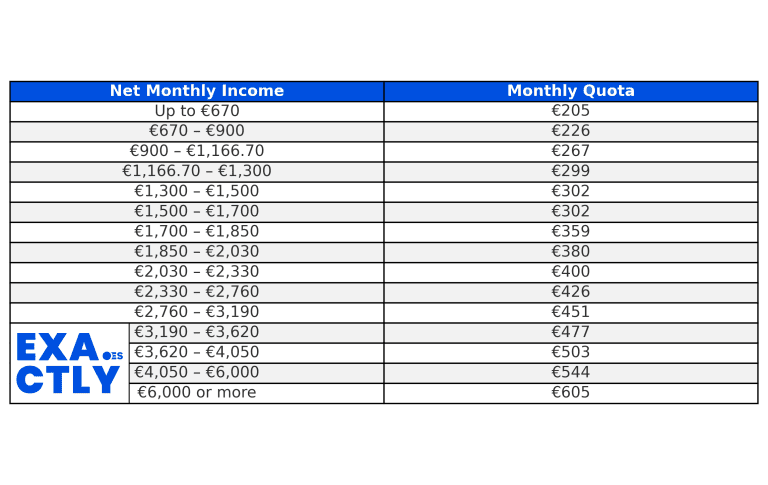
Since 2023, self-employed workers have been contributing according to 15 income brackets, ranging from net monthly earnings of €670 up to €6,000. The monthly quota varies between €205 for the lowest earners and €605 for those with higher incomes.
Additional Costs: Intergenerational Equity Mechanism (MEI)
In addition to higher quotas, autónomos must also account for the increase in the Intergenerational Equity Mechanism (MEI). Often described as a “retirement tax,” the MEI will rise to 0.90% from January 2026. For autónomos, this cost must be covered entirely out of pocket.
What This Means for Autónomos
In practical terms, self-employed workers in Spain will face higher monthly payments on two fronts in 2026:
- The new contribution quotas tied to their real income.
- The increase in the MEI surcharge.
Together, these measures will continue shaping Spain’s shift toward a more progressive, income-based system for self-employed contributions — one that reduces the burden on lower earners but steadily raises costs for those in the middle and higher income brackets.